
Aesthetic Clinic Interior Design in Singapore: What Works and What Doesn't
Singapore's aesthetic medicine market has grown significantly over the past decade, and with it, the standards patients expect when they walk into a clinic. A well-designed aesthetic clinic is no longer just a nice-to-have — it is a direct signal of the quality of care on offer. Patients make judgements about a clinic within seconds of entering. The space either builds confidence or quietly undermines it.
But aesthetic clinic interior design in Singapore comes with a layer of complexity that most commercial renovations do not. You are not just designing for brand appeal. You are designing within a framework of MOH regulations, fire safety requirements, and clinical zoning rules that determine whether your clinic gets approval to operate at all.
This guide covers what works, what doesn't, and what to watch out for when planning your aesthetic clinic renovation.
Why Aesthetic Clinic Design Is Different From Regular Commercial Renovation
A café or retail shop has creative freedom within building guidelines. An aesthetic clinic does not have that luxury. Every spatial decision — room size, layout, materials, electrical load, ventilation — is constrained by compliance requirements from the Ministry of Health (MOH), the Singapore Civil Defence Force (SCDF), and building authorities.
The result is that aesthetic clinic renovation requires a contractor who understands clinical operations, not just carpentry and paintwork. The most common and costly mistakes in clinic fit-outs happen when a contractor without healthcare experience is brought in. Everything looks fine until the inspection, at which point walls come down and the timeline collapses.
What Works: Design Decisions That Drive Patient Trust and Operational Efficiency
A Reception Area That Sets the First Impression
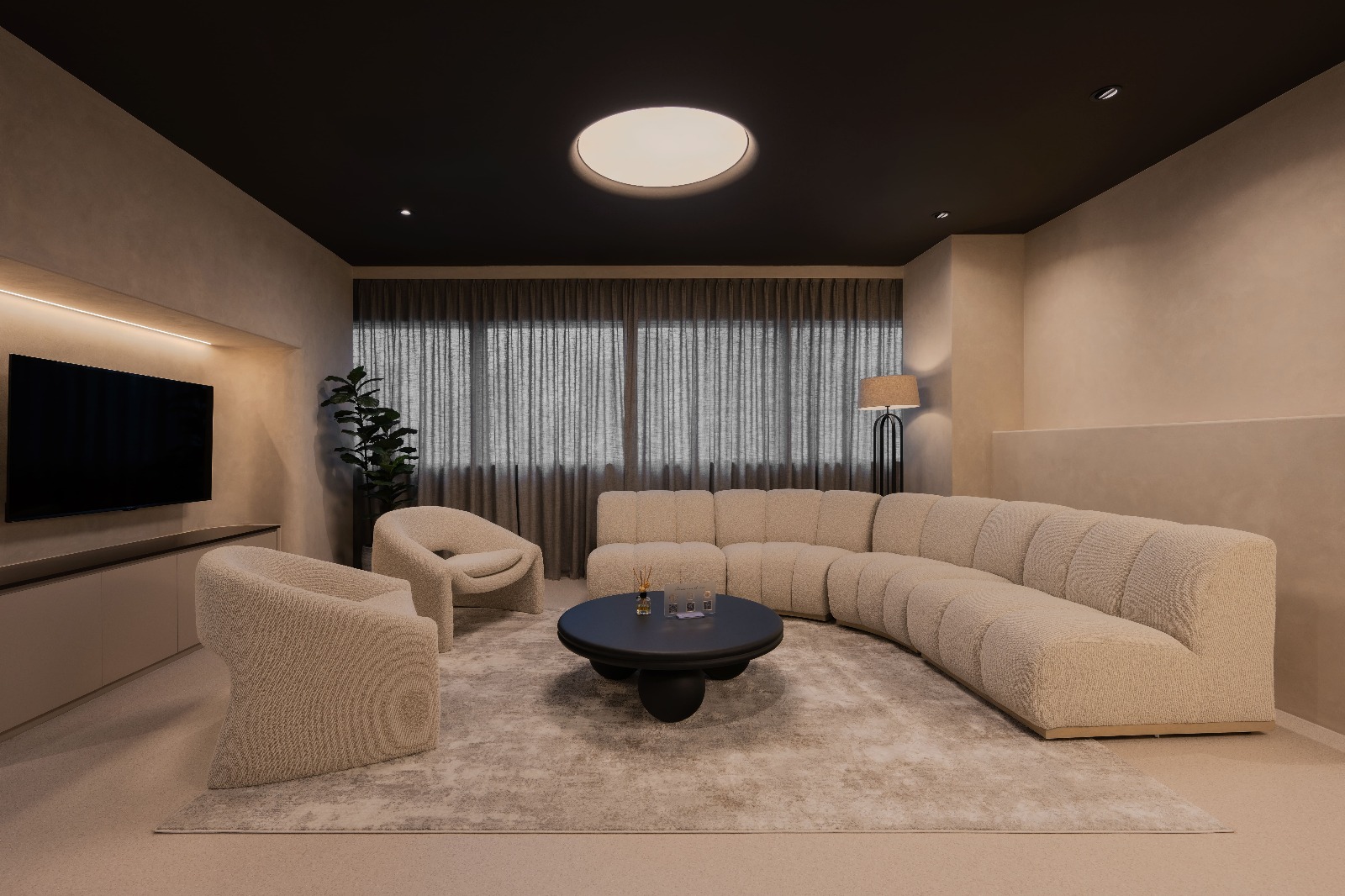
The waiting and reception area is doing more work than most clinic owners realise. Before a patient meets a single doctor or therapist, the space has already told them whether this clinic is professional, premium, and trustworthy — or not.
What works here:
Clean, uncluttered surfaces with considered material choices (stone, solid laminates, brushed metals — not wood-look vinyl)
A reception counter designed for PDPA compliance — patients should not be able to see screens or printed documents when approaching the desk
Controlled, layered lighting that feels warm without being dim
A waiting zone with visual separation from the treatment corridor, so arriving patients are not watching others leave
Patient Flow That Protects Privacy
Aesthetic treatments are personal. Patients do not want to run into other patients any more than necessary. A layout that routes patients from reception to consultation to treatment and out without crossing paths with new arrivals is not just good design — it is a business asset that encourages return visits.
Good flow also reduces operational bottlenecks. Treatment rooms positioned at the end of a clear corridor, with staff areas on a separate axis, allow the team to move efficiently without disrupting the patient experience.
Treatment Rooms Built for Clinical Function
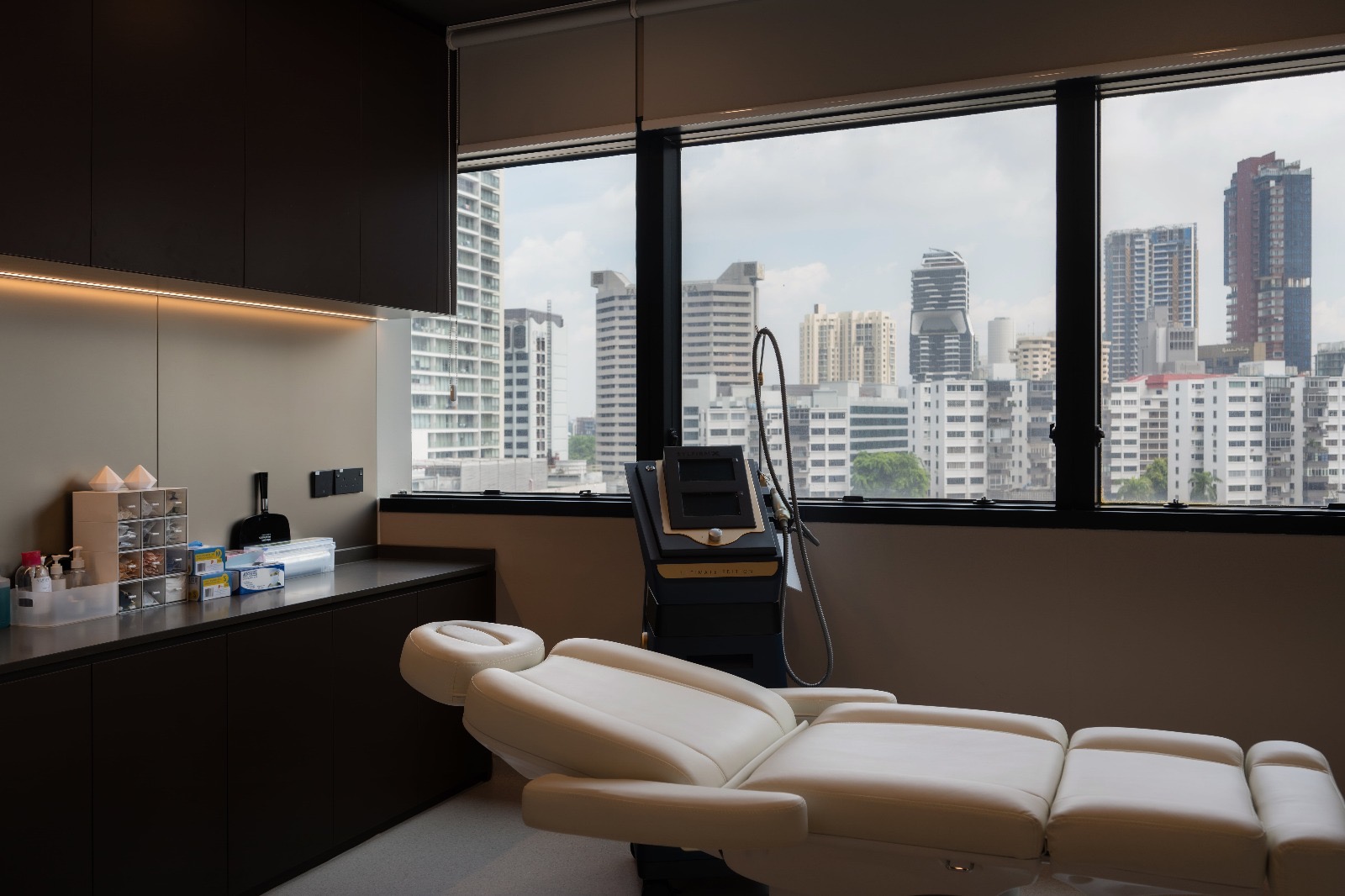
This is where compliance and design converge. Treatment rooms for an aesthetic clinic in Singapore need to accommodate:
High-powered equipment such as laser systems, RF devices, and IPL machines, each with specific power draw requirements
Medical-grade flooring that is non-slip, seamless where possible, and easy to decontaminate
Appropriate ceiling heights to meet ventilation standards
Power points and data points positioned around treatment beds, not retrofitted into extension leads after the fact
Lighting that can shift between ambient and task brightness depending on whether the room is used for consultation or procedure
Getting the electrical specification wrong here is one of the most expensive post-renovation fixes. Running multiple treatment rooms simultaneously can trip a circuit if the fit-out was not planned for the actual equipment load.
Consultation Rooms That Build Confidence
A consultation room should feel private, professional, and unhurried. Design elements that support this:
Acoustic separation so conversations cannot be heard from the corridor or adjacent rooms
Enough clear desk space for screens, imaging equipment, and printed materials
Layout that positions the doctor or consultant facing the patient — not side-by-side at a screen — to maintain eye contact and trust
A Consistent Brand Identity Through the Space
Patients cannot evaluate clinical quality directly. They use the space as a proxy. A clinic that has put thought into its design — consistent palette, considered materials, coherent signage — communicates that the same level of care goes into its treatments.
3D visualisation before construction begins is one of the most effective tools for locking in this coherence. When you can walk through the space digitally before a single wall is built, you catch inconsistencies in the design that would otherwise only surface during the fit-out — at a cost.
What Doesn't Work
Prioritising Aesthetics Over Compliance
This is the single most expensive mistake in aesthetic clinic renovations. A beautifully designed space that fails MOH inspection or SCDF fire safety sign-off will require demolition and rebuild. The costs are not just financial — the delay in opening has a direct revenue impact.
Contractors without clinical renovation experience do not know MOH requirements in advance. Clinics that use them find out what is required at the inspection stage, not the planning stage.
Ignoring Patient Privacy in the Layout
Waiting areas where patients can overhear consultations. Treatment rooms visible from the reception desk. A layout that routes exiting patients through the waiting area. These are common in clinics designed by contractors without a clinical operations background and they affect patient retention in ways that are hard to trace but easy to prevent.
Underestimating Electrical and Plumbing Requirements
Aesthetic clinics run equipment that most commercial spaces never encounter. Laser and energy-based devices, autoclaves, water-fed treatment systems — each has specific requirements for power supply, drainage, and ventilation. A general renovation contractor will spec the electrical fit-out based on standard commercial loads. The shortfall becomes apparent the first time multiple rooms operate at once.
Getting the Lighting Wrong
Too bright and clinical, and patients feel institutional anxiety. Too warm and ambient, and practitioners cannot accurately assess skin condition or monitor treatment response. The right lighting plan layers ambient, task, and accent sources and gives practitioners control at the room level. This is a deliberate design decision — not a default selection from a catalogue.
Neglecting the Sterilisation and Back-of-House Zones
MOH requirements mandate a clear separation between clean and dirty zones. Sterilisation areas must be physically separated from treatment and consultation zones. This affects the floor plan from the start and cannot be resolved by repartitioning later. Back-of-house zones that are cramped or poorly ventilated also create staff working conditions that affect operational efficiency and retention.
MOH Requirements That Affect Your Renovation Scope
Any aesthetic clinic operating in Singapore that performs medical procedures must comply with the Private Hospitals and Medical Clinics Act (PHMC Act) requirements. The renovation scope needs to account for:
Minimum floor area requirements for clinical rooms
Designated clean and dirty zones with physical separation
Sterilisation area requirements including ventilation and drainage
Specific requirements for sharps and clinical waste management
SCDF fire safety approvals including emergency lighting, exit signage, and sprinkler systems where required
Electrical sign-off by a Licensed Electrical Worker (LEW)
Plumbing and sanitary works that meet PUB standards
These are not optional. They are conditions for the operating licence. A contractor who handles these submissions as part of the project scope — rather than leaving them to the clinic owner to manage separately — removes the single largest source of delay and cost overrun in aesthetic clinic fit-outs.
Why a Turnkey Contractor Is the Right Choice for Aesthetic Clinic Renovation
Most clinic operators are doctors, business owners, or investors — not renovation project managers. Coordinating separate contractors for design, carpentry, electrical, plumbing, regulatory submissions, and final fit-out requires time and expertise that most clinic operators do not have and should not have to develop.
A turnkey contractor brings the entire scope under one team. Design, 3D visualisation, approval submissions, construction, and handover are managed without the coordination gaps that come with a fragmented contractor structure. The clinic operator has a single point of contact, a fixed timeline, and a finished space that has been walked through in 3D before construction begins.
On-time and on-budget delivery is only achievable when one team owns the full scope. When any single trade is running late, the team catches it early. When approval submissions need to be adjusted, there is no finger-pointing between consultants and builders — the same team resolves it.
Contract Builders' Experience in Aesthetic and Medical Clinics
Contract Builders Singapore has delivered aesthetic and medical clinic fit-outs including Zion Aesthetic Clinic. It involved MOH compliance requirements, electrical specifications for treatment equipment, clinical zoning, and a finished result that aligned with the brand positioning of each clinic.
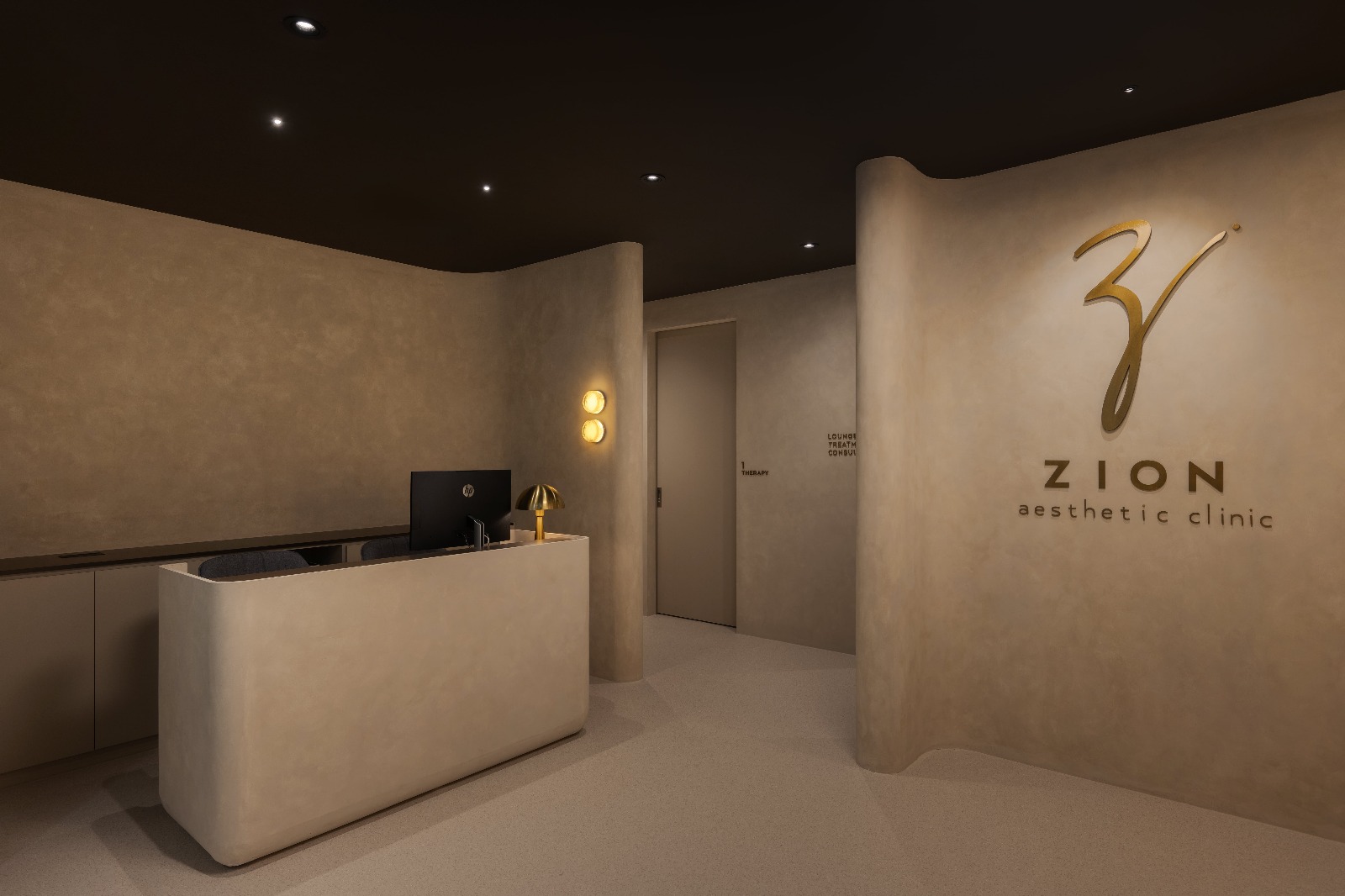
The team handles the full process — from initial consultation and 3D visualisation through to regulatory approvals, construction, and handover — under one roof.
Starting Your Aesthetic Clinic Renovation
Before approaching a contractor, get clarity on:
Your clinic's brand positioning — premium, clinical, approachable, or some combination
The number of treatment rooms and the specific equipment each will house
Your target opening date — and how much revenue each week of delay represents
Your budget, including a realistic contingency for regulatory requirements
From there, a consultation with a contractor who has direct experience in aesthetic clinic fit-outs is the fastest route to a space that passes inspection, opens on schedule, and earns patient trust from day one.
Contract Builders Singapore delivers commercial renovation and interior design for aesthetic clinics, medical spaces, and offices across Singapore. Get in touch to discuss your project.