
Beauty Salon Renovation in Singapore: The Complete Turnkey Fit-Out Guide for Salon Owners
Most salon owners know exactly what they want their space to feel like. The disconnect happens when that vision meets Singapore's regulatory landscape, and suddenly a "simple renovation" involves NEA licensing, SCDF fire safety submissions, BCA waterproofing standards, and a landlord who won't approve your plans without compliant drawings. A successful beauty salon renovation in Singapore requires more than good design taste. It demands a structured approach that sequences compliance, construction, and aesthetics in the right order.
This guide breaks down what salon owners actually need to know before committing to a fit-out — from zoning and permits to realistic budgets and why your contractor model matters more than you think.
Why Beauty Salon Renovation in Singapore Is More Complex Than It Looks
Salon fit-outs sit in a unique spot among commercial renovations. Unlike a standard office or retail shop, salons involve wet zones, drainage requirements, specific ventilation standards, and hygiene-related licensing. That combination creates a compliance footprint that touches multiple government agencies simultaneously.
Here's what's typically involved:
NEA licensing — Any premises offering hairdressing, beauty therapy, or spa services must be licensed under the Environmental Public Health Act. Your renovation scope and material choices need to satisfy NEA's sanitation and hygiene standards before that licence is granted.
SCDF fire safety — If your renovation affects fire safety systems (means of escape, sprinkler layouts, fire doors), you'll need a Fire Safety Works application before works can begin.
BCA requirements — Structural changes and wet zone construction must meet BCA waterproofing and building code standards. This is especially relevant for salons with multiple shampoo stations, pedicure bays, or steaming rooms.
Landlord and tenancy rules — HDB commercial shophouse tenants face different renovation guidelines (including approved contractor lists) compared to private landlord tenancies, which typically require written approval for any works affecting structure, M&E systems, or the building facade.
In practice, what we see most often is salon owners underestimating the sequencing. They pick finishes, sign a design, and then discover mid-project that a permit application is holding everything up. Getting the regulatory sequence right from the start prevents that.
Wet Zone vs. Dry Zone: The Layout Decision That Drives Everything
If there's one planning decision that affects cost, compliance, and daily operations more than any other, it's how you separate wet and dry zones.
What Counts as a Wet Zone
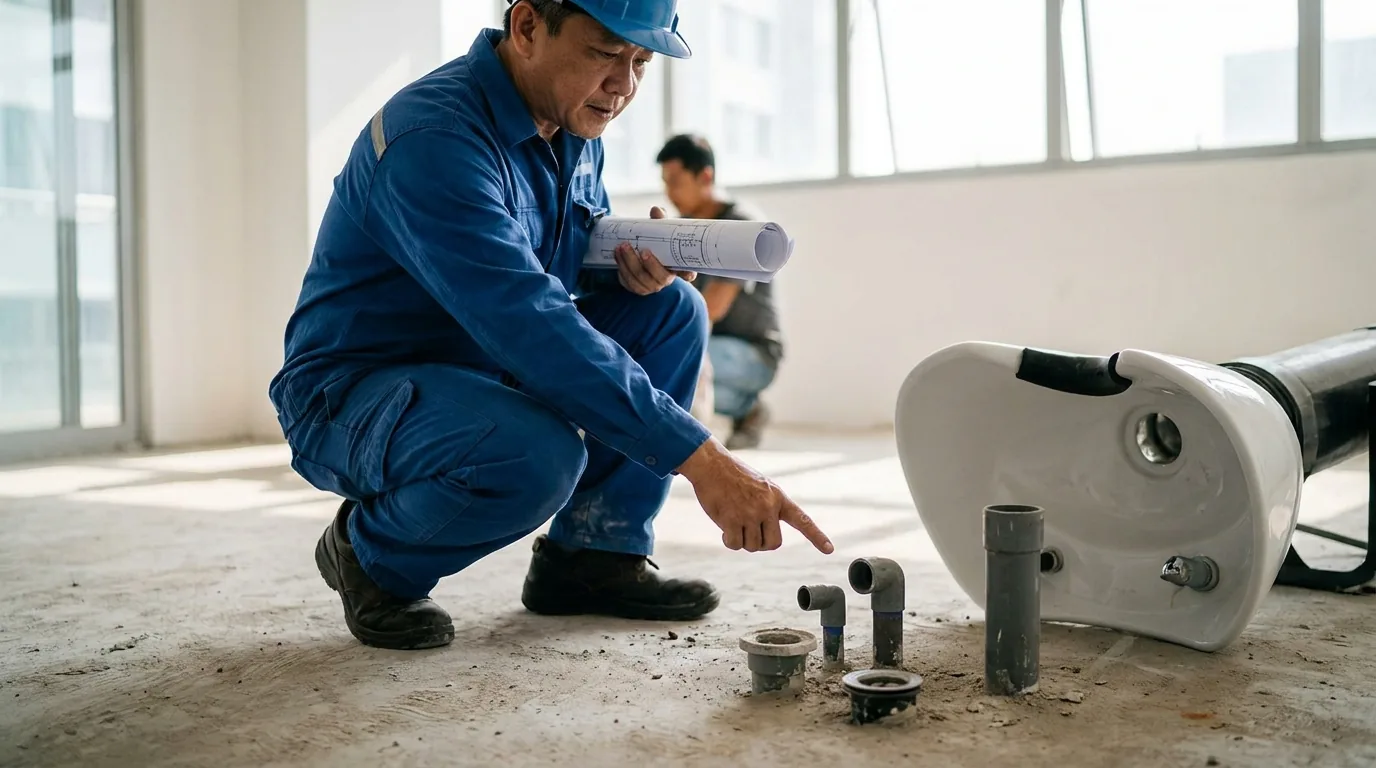
Shampoo stations, pedicure bowls, facial steaming areas, and any service point involving running water. These areas require proper drainage, waterproofing to BCA standards, and slip-resistant flooring that meets NEA hygiene requirements.
What Counts as a Dry Zone
Styling stations, reception, retail displays, and waiting areas. These spaces have simpler flooring and ventilation needs, but they still need to integrate with your salon's overall flow.
Why Zoning Matters So Much
Poor wet-dry separation is one of the most common causes of salon renovation rework in Singapore. When drainage isn't properly planned, or waterproofing is done after the fact, the cost to fix it mid-build is significant. Beyond compliance, good zoning also protects your equipment, keeps clients comfortable, and simplifies daily cleaning routines.
From experience, we recommend finalising your wet zone layout before anything else in the design process. Every downstream decision — plumbing runs, electrical points, ventilation, even furniture placement — flows from that foundation.
Design-Build Integration: Why 3D Visualisation Saves Salon Owners Money
Salon aesthetics are deeply tied to branding. Clients walk into your space and make judgments within seconds. For that reason, many salon owners want heavy involvement in material selection, lighting, and the overall look and feel.
The challenge is that design decisions made in isolation — without understanding their construction implications — often lead to costly mid-project changes. A feature wall that blocks a required sprinkler head. A reception desk placement that violates the minimum aisle width for fire escape routes. A pendant light scheme that conflicts with the ceiling grid needed for ventilation.
This is where commercial interior design and 3D visualisation becomes a practical tool rather than a luxury. With a 3D-rendered layout, you can confirm your salon's look, material palette, branding elements, and spatial flow before any physical work begins. It also makes landlord approval drawings significantly easier to secure, because the intent is clear and documented.
The pattern we notice is straightforward: salon owners who approve a detailed 3D visualisation before build experience far fewer change orders. Fewer change orders mean a tighter timeline and a more predictable budget.
Beauty Salon Renovation Costs and Timelines in Singapore
Costs vary significantly depending on your unit's existing condition, scope of wet zone work, and finish level. A site assessment is the only reliable way to get an accurate quote. That said, for general planning purposes, here's what we typically see in the market.
Indicative Cost Ranges
Small-to-mid-sized salons (300–800 sq ft): Generally SGD 50,000 to SGD 150,000, depending on finishes, wet zone complexity, and the number of service stations.
High-end or larger salons with extensive wet zones, custom joinery, or premium materials can exceed SGD 200,000.
These ranges assume a complete fit-out including M&E works, not just cosmetic upgrades.
Typical Timelines
Standard fit-out (design sign-off to handover): 8 to 14 weeks.
Projects involving structural works, extensive wet zones, or SCDF/BCA submissions: 16 to 20 weeks.
The most common causes of delay? Permit approvals, material procurement lead times, and coordination breakdowns when multiple contractors are involved. That last one is entirely avoidable with the right contractor model.
If you're budgeting for a beauty salon renovation in Singapore, we'd recommend getting a site assessment done early — even before you finalise your lease. Knowing the true condition of the unit (existing drainage, electrical capacity, ceiling void depth) prevents budget surprises later.
Why Turnkey Beats Multi-Vendor for Salon Fit-Outs
A typical multi-vendor salon renovation involves separate contractors for design, ID, hacking, M&E, carpentry, and sometimes a separate compliance consultant. Each vendor has their own timeline, their own margin, and their own definition of "done."
In practice, salon projects suffer disproportionately from multi-vendor coordination issues. The reason is wet zone complexity. When your plumber, waterproofing contractor, and tiler are three different companies, accountability for a leak six months post-handover becomes a finger-pointing exercise.
What a Turnkey Approach Looks Like
With turnkey commercial renovation services, one team handles everything: concept design, 3D visualisation, regulatory submissions, construction, M&E installation, and aftercare. One point of contact. One accountable party.
For salon owners, this model has specific advantages:
Compliance sequencing is built into the project plan — permits are applied for at the right stage, not as an afterthought.
Wet zone accountability is undivided — the same team that designs the drainage layout also installs and waterproofs it.
Timeline control is real — no waiting on a subcontractor who's juggling five other jobs.
Budget visibility is clearer — you get a single scope and price, not a stack of separate quotes that don't account for interface works.
Don't Forget Reinstatement
One thing salon owners often overlook during fit-out is what happens at lease end. If your renovation involves significant wet zone construction, built-in furniture, or changes to the unit's M&E systems, your end-of-lease reinstatement obligations could be substantial. Factoring reinstatement into your initial design decisions — choosing demountable systems where possible, documenting the unit's original condition — can save tens of thousands when it's time to hand back the space.
Frequently Asked Questions
Do I need an NEA licence before starting renovation?
You don't need the licence before renovation begins, but your fit-out must be designed to meet NEA's sanitation and hygiene standards. The licence application is typically submitted once the space is ready for inspection. Planning for compliance from day one avoids rework.
Can I renovate an HDB commercial shophouse unit for a salon?
Yes, but HDB commercial properties have specific renovation guidelines, including approved contractor requirements and submission procedures. These differ from private commercial tenancies, so check your tenancy terms before committing to a contractor or design.
How long does a typical salon fit-out take in Singapore?
Most standard salon fit-outs run 8 to 14 weeks from design sign-off to handover. Projects with structural works or complex wet zones can extend to 16–20 weeks. The biggest variable is usually permit approval timelines and material lead times.
What's the most common mistake in salon renovation planning?
Underestimating wet zone requirements. Salon owners often finalise their aesthetic vision without fully accounting for the drainage, waterproofing, and ventilation work that wet zones demand. This leads to budget overruns and timeline delays when the scope expands mid-project.
Is 3D visualisation worth the investment for a small salon?
In most cases, yes. Even for smaller spaces, a 3D-rendered layout helps you and your contractor align on expectations before construction starts. It reduces change orders, speeds up landlord approvals, and gives you confidence that the finished space will match your vision.
Ready to Plan Your Salon Fit-Out?
If you're planning a beauty salon renovation in Singapore, the smartest move is getting clarity on your unit's condition and compliance requirements before you commit to a design or a budget. A site assessment takes the guesswork out of the equation.
Get in touch with Contract Builders for a free consultation. Call 8368 5194 or email go@contract.builders to discuss your salon renovation project.