
How to Choose a Reinstatement Contractor in Singapore (2026)
Three weeks before lease expiry, your landlord rejects the reinstatement. The contractor missed a fire-rated partition, the sprinkler layout doesn't match base-build specs, and now you're facing holding-over charges at double rent. This scenario plays out more often than it should in Singapore commercial tenancies. The right reinstatement contractor prevents it entirely.
This guide breaks down exactly what to look for in a reinstatement contractor in Singapore, the compliance requirements that catch tenants off guard, and a practical framework for making the right choice before your lease clock runs out.
What Reinstatement Actually Means for Commercial Tenants
Under standard Singapore commercial lease practice, the reinstatement obligation is written directly into your tenancy agreement. You are contractually required to restore the leased premises to their original bare condition before lease expiry. If you don't, the landlord can forfeit your security deposit or pursue additional costs.
For context, commercial leases in Singapore commonly require a security deposit of one to three months' rent for office tenancies, and up to six months for retail or specialised units. That's a significant sum at stake.
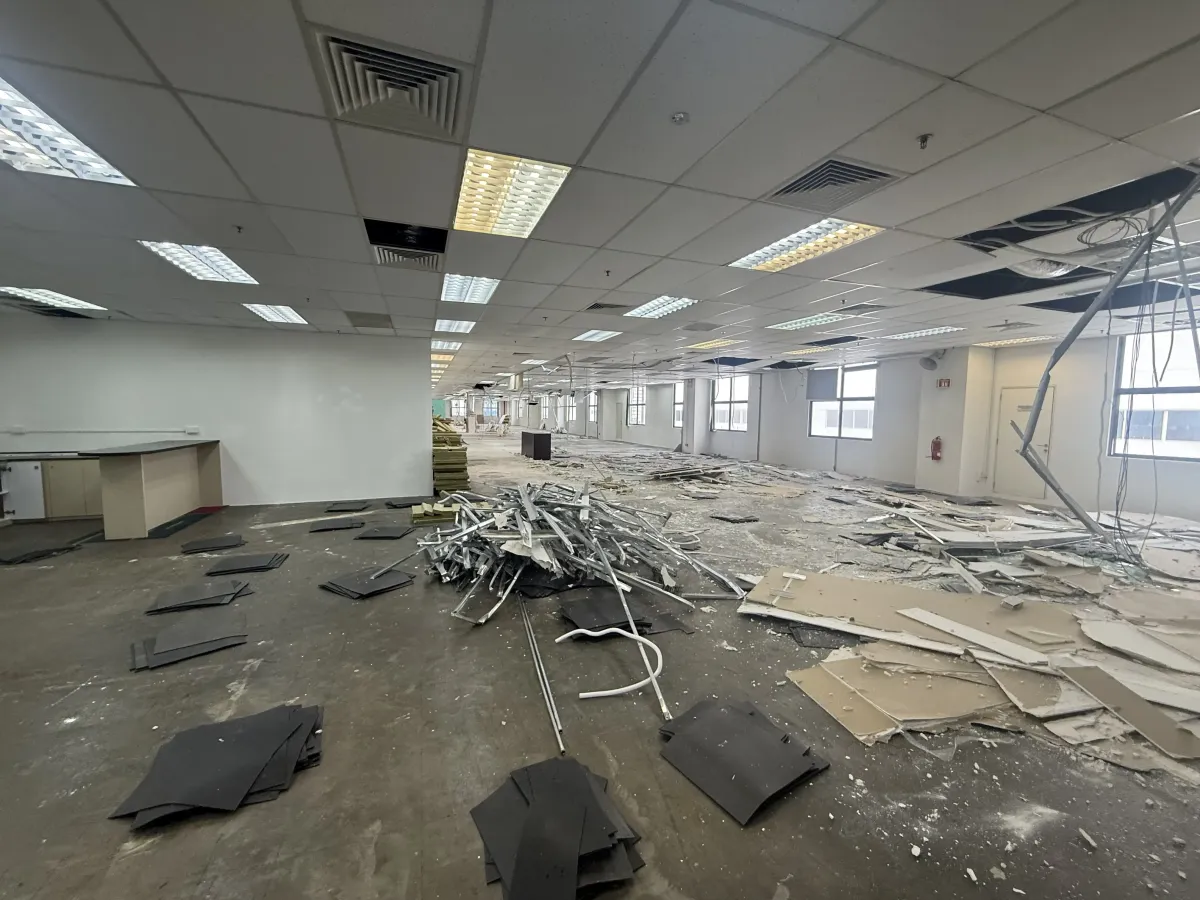
Reinstatement works typically include hacking of non-structural partitions, removal of raised flooring and false ceilings, stripping out fixed carpentry and millwork, capping M&E services, making good walls and floors, and restoring fire-rated assemblies to their original specification. Every item is subject to landlord sign-off.
The Compliance Layer Most Tenants Overlook
Beyond the physical demolition and restoration, two regulatory frameworks govern what your contractor can and cannot do:
BCA Minor Works framework. The Building and Construction Authority determines which reinstatement works require a Qualified Person (QP) submission. In particular, any structural hacking or works affecting load-bearing elements always require QP involvement, regardless of the reinstatement context. Engaging a contractor who doesn't understand this distinction can stall your project with permit issues mid-way through.
SCDF fire safety requirements. Any reinstatement that involves alterations to fire protection systems, including sprinklers, fire doors, and smoke detectors, must comply with SCDF requirements. Landlords will not accept handover without the relevant regulatory sign-offs in place. This is one of the most common reasons reinstatement gets rejected at final inspection.
Five Criteria for Evaluating a Reinstatement Contractor in Singapore
Not every renovation firm is equipped for end-of-lease reinstatement works. The skill set is different from fit-out. Here's what separates a reliable reinstatement contractor in Singapore from one that puts your deposit at risk.
1. Familiarity With Base-Build Specifications
One of the most common tenant risks in Singapore commercial reinstatements is engaging a contractor unfamiliar with the original fit-out drawings or the landlord's base-build specifications. When the restored space doesn't match the original condition, landlords reject the handover. This triggers costly rectification, delays, and potentially holding-over charges that extend into the next lease term.
A strong contractor will request the original tenancy drawings and base-build specs before quoting. If they don't ask for these documents, that's a red flag.
2. In-House Execution Capability
Reinstatement timelines for commercial units in Singapore typically range from one to four weeks. A lightly fitted office may need one to two weeks. A full clinic or heavily built-out retail space with M&E reversal can take three to four weeks or more.
With timelines this tight, you need a contractor who controls their own labour and trades. Firms that subcontract heavily introduce coordination risk. When the hacking crew is waiting on the electrician who's waiting on the plumber, days disappear fast. In-house teams move as a single unit, which is critical when every day counts.
3. Regulatory Knowledge (BCA and SCDF)
Your contractor needs to know when a Qualified Person submission is required under the BCA Minor Works framework, and how to handle SCDF compliance for fire system reinstatement. This isn't optional knowledge. It's the difference between a smooth handover and a rejected inspection.
4. Landlord Liaison Experience
Experienced reinstatement contractors know that the landlord's building management team is the final gatekeeper. They've handled joint inspections before. They understand how different landlords and property managers define "original condition." This experience translates directly into fewer rejection rounds and faster sign-off.
5. Fit-Out Background
Here's a practical insight worth considering: a contractor who also handles commercial interior design and fit-out is often better placed to reverse that work accurately. They understand how spaces are built up in the first place, which means they know exactly how to strip them back. Similarly, firms experienced in commercial renovation Singapore projects bring a deeper understanding of M&E routing, partition systems, and ceiling grid configurations.
Why Contract Builders Is Built for Reinstatement Work
Contract Builders is a Singapore reinstatement contractor that operates as a true turnkey firm: design, construction, regulatory approvals, and project management all happen in-house with one team and one point of contact. That same model applies to their commercial reinstatement services.
Here's why that matters for reinstatement specifically:
No subcontracting delays. Hacking, M&E capping, ceiling removal, floor restoration, and making good are all handled by one coordinated team. There's no waiting on third-party trades to show up.
Regulatory handling built in. Contract Builders manages BCA and SCDF compliance as part of the project scope. QP submissions and fire safety sign-offs are handled proactively, not scrambled together after a failed inspection.
Base-build accuracy. Because the team handles fit-out projects as well, they understand construction from both directions. They know what landlords look for during final inspection because they've built (and reversed) these spaces before.
The core promise: On Time, On Budget. For reinstatement work, "on time" isn't a nice-to-have. It's the difference between recovering your deposit and paying holding-over charges.
Timing Your Reinstatement: When to Start
Most tenants underestimate how early the reinstatement conversation needs to begin. Here's a practical timeline:
Three to four months before lease expiry: Review your tenancy agreement's reinstatement clause. Identify exactly what "original condition" means per your lease. Retrieve base-build drawings if you have them.
Two to three months out: Engage a reinstatement contractor for a site assessment and quote. This gives enough lead time to handle permits if structural or fire system work is involved.
One to two months out: Works should be underway or scheduled to begin. Buffer time for landlord inspection and any rectification rounds is essential.
Leaving reinstatement to the final month is where deposits get forfeited. Contractors booked at short notice cost more and have less flexibility to accommodate inspection cycles.
Frequently Asked Questions
What happens if reinstatement isn't completed before lease expiry?
Your landlord can forfeit part or all of your security deposit. In many cases, the lease also includes a holding-over clause that charges double rent for every day you remain in possession beyond the expiry date. Some landlords will appoint their own contractor and bill you directly, typically at a premium.
Do I need a permit for reinstatement works in Singapore?
It depends on the scope. Non-structural hacking and standard strip-out generally don't require BCA submissions. However, any work affecting load-bearing structures requires a Qualified Person, and alterations to fire protection systems need SCDF compliance. Your contractor should assess this during the quoting stage.
Can my original fit-out contractor handle reinstatement?
In many cases, yes. A contractor who built out your space will already have the drawings and understand the base-build condition. That said, not all fit-out firms offer reinstatement as a service. Confirm they can handle the demolition, M&E capping, and landlord inspection process, not just the design-and-build side.
How long does commercial reinstatement take in Singapore?
Typical timelines range from one to four weeks. A straightforward office strip-out may take one to two weeks. More complex spaces with extensive M&E, fire-rated assemblies, or specialised fit-out can take three to four weeks. Factor in additional time for landlord inspections.
Get Your Reinstatement Right the First Time
Your deposit, your timeline, and your peace of mind all depend on choosing a reinstatement contractor in Singapore who understands the full picture: the physical works, the regulatory requirements, and the landlord's expectations.
Contract Builders handles end-of-lease reinstatement as a complete, in-house service. One team, one point of contact, from site assessment through to landlord handover.
Ready to protect your deposit? Get a reinstatement quote today, or call 8368 5194 / email go@contract.builders to discuss your project.